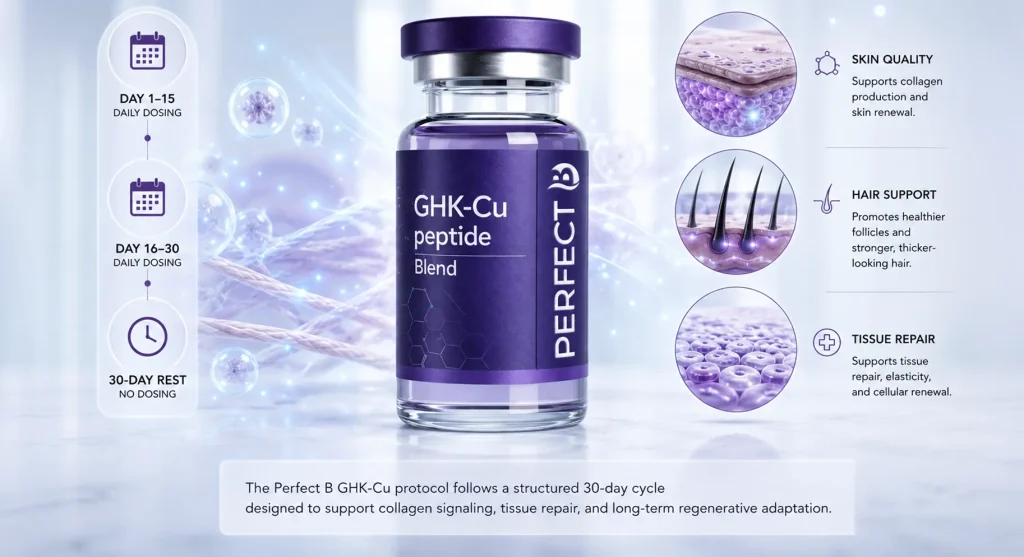
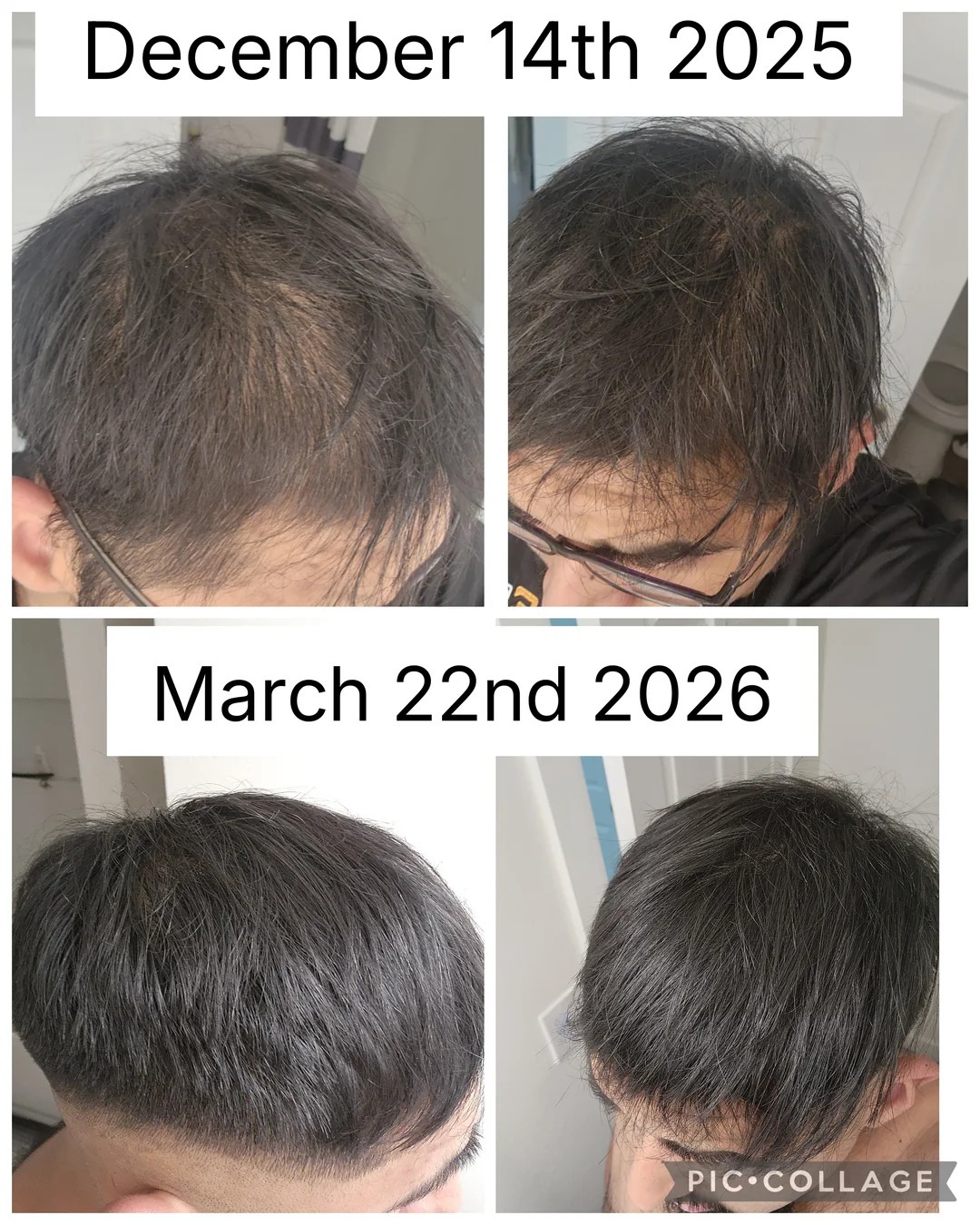
However, stacking with peptides that target entirely different mechanisms, such as fat loss peptides like AOD-9604 or FTPP (adipotide) , is theoretically possible but completely unstudied
The results in humans, however, were modest enough that it has not advanced to Phase 3 approval for any fat loss indication
Going slow can be a powerful way to reduce nausea and other digestive side effects, which usually resolve as your body adjusts
Do this instead: Be prepared
A 2024 report from the American Society of Plastic Surgeons found that 20% of patients on GLP-1 drugs have already undergone cosmetic surgery because of weight loss, while 39% of plastic surgery patients on these medications were considering a procedure
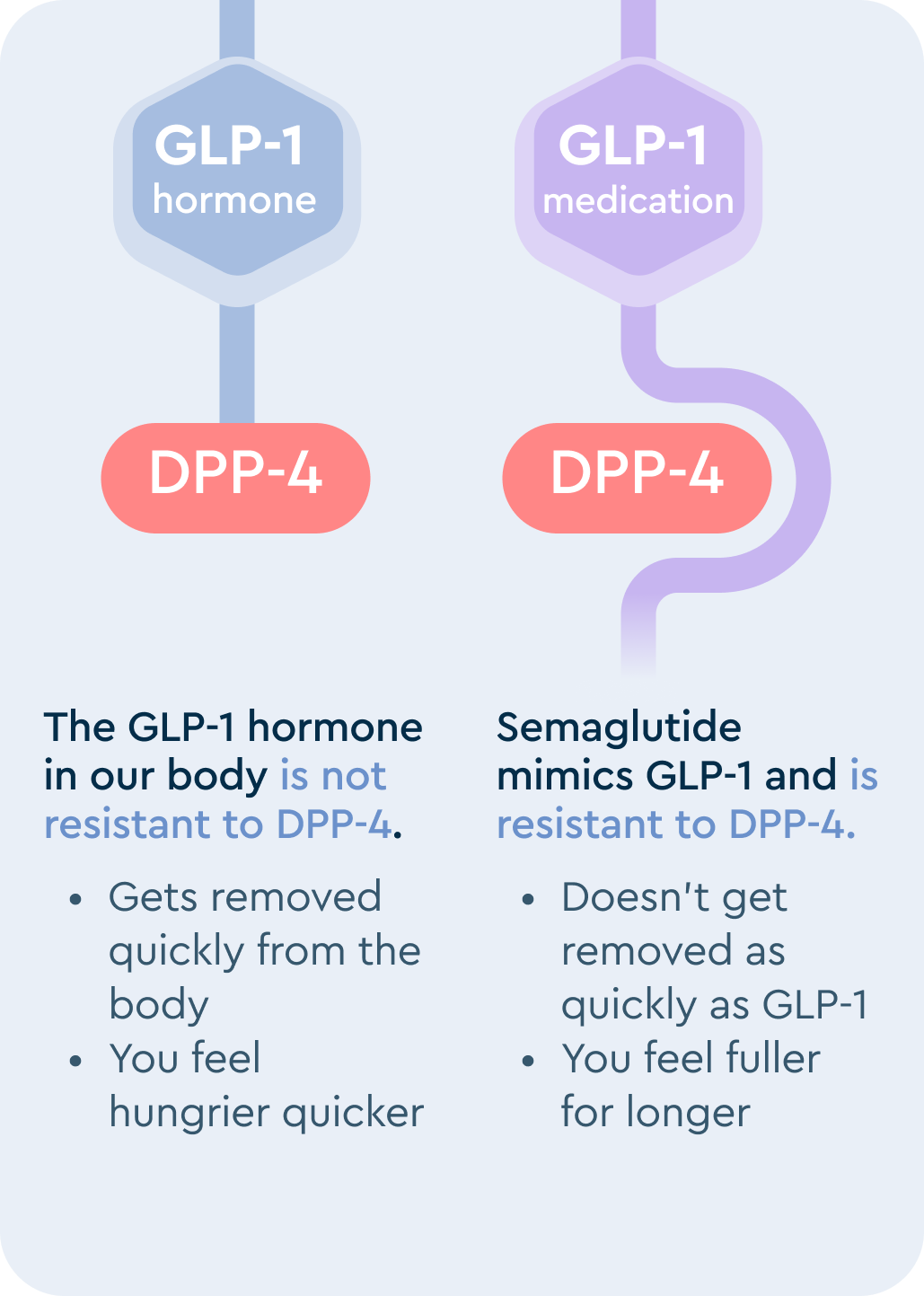
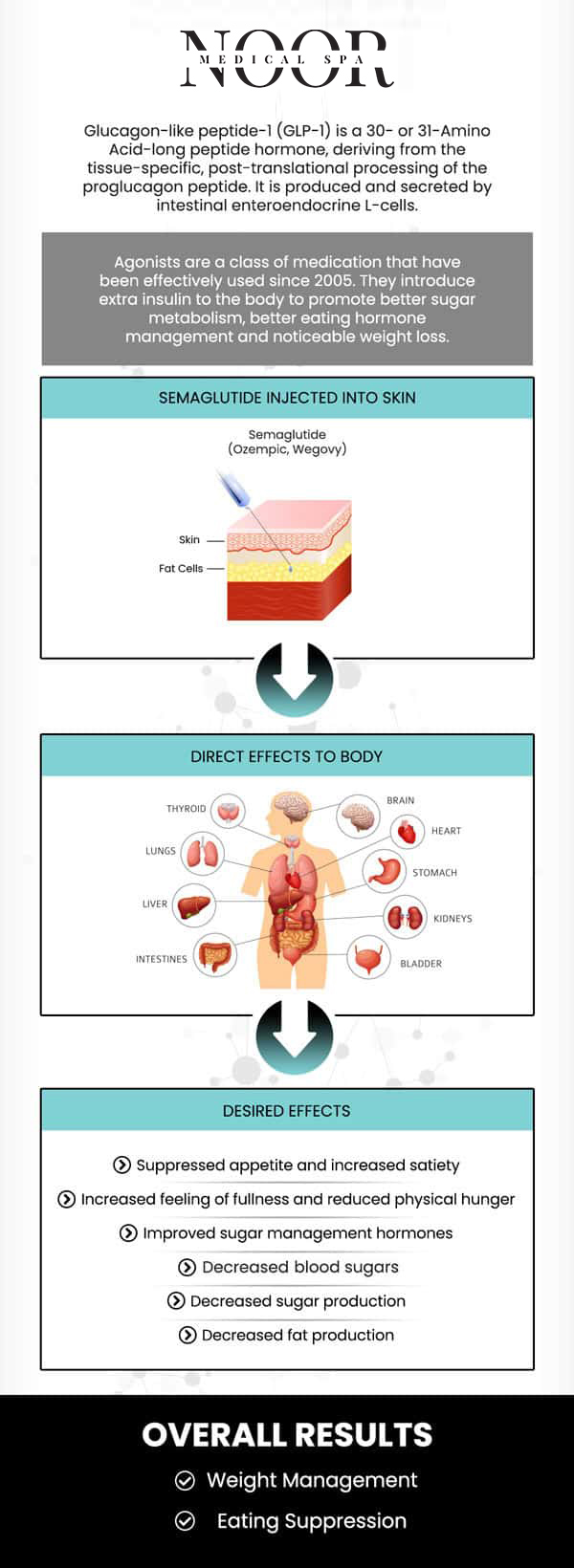
GIP (Glucose-dependent Insulinotropic Polypeptide): Another incretin hormone produced in the intestines Stimulates insulin secretion from the pancreas Enhances fat metabolism Affects how the body stores and uses energy May amplify the appetite-suppressing effects of GLP-1 The Combined Effect: When both GLP-1 and GIP pathways are activated together: Stronger insulin response: better blood sugar control Enhanced fat burning: greater weight loss More appetite suppression: reduced food intake Slower gastric emptying: prolonged fullness (and potential problems) Clinical Advantages of Tirzepatide Greater Weight Loss: Clinical trials showed tirzepatide produced: Average weight loss: 20-25% of body weight Compared to semaglutide: 15-20% Some patients lost 30%+ of their starting weight Faster Results: Many patients report: Quicker onset of appetite suppression More rapid weight loss in the first months Stronger fullness sensation after meals Superior Glucose Control: For diabetic patients: Greater A1C reductions than semaglutide More patients reaching target A1C goals Fewer patients needing additional diabetes medications Potential Disadvantages and Risks 1