Their metabolic health markers, such as blood sugar and cholesterol, also returned to levels similar to those before treatment.(3) Another drawback to taking GLP-1 medications is that while they promote weight loss, recently published research shows that approximately 15% to 60% of the loss comes from lean mass.(5, 6) This is very concerning, because preserving muscle mass is crucial for maintaining metabolic rate, overall health, and functionality as we age.(7) The Potential Solution: A Ketogenic Lifestyle A paper by researchers at Virta Health, published in February 2024, suggests that a ketogenic diet may help people maintain their weight loss after transitioning off GLP-1 medications.(8) The study compared two groups of type 2 diabetes patients following a ketogenic diet: one group continued GLP-1 therapy, and the other group stopped the medication
GLP-1 therapy works by supporting your biology, making results more sustainable with ongoing guidance
Insurance coverage for Tirzepatide varies significantly in Canada
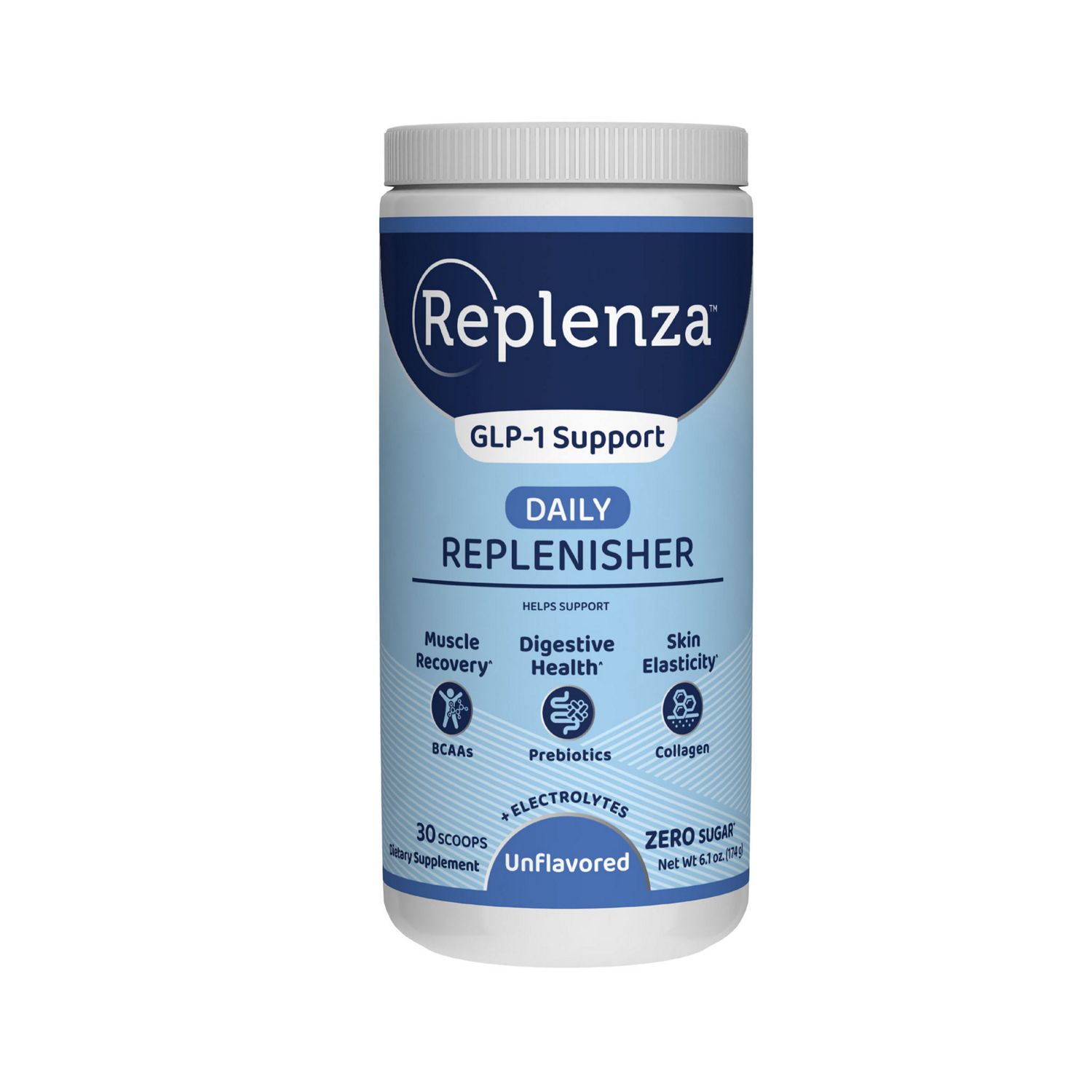
Reduced dietary intake, combined with potential alterations in gut absorption from GLP-1 gastrointestinal effects, can create deficiencies in both
The reason for the slow climb is simple: jumping straight to a high dose tends to cause more nausea and stomach upset
Its not a commitment








,aspect=ignore)


,aspect=ignore)