In laboratory and pre-clinical settings, HGH Fragment has been studied across a range of adipose tissue biology and metabolic research applications, including: Adipocyte lipolysis pathway characterisation triglyceride hydrolysis, HSL activation, and free fatty acid mobilisation Lipogenesis inhibition and anti-adipogenic signalling in fat cell models GH C-terminal fragment receptor biology and adipocyte signalling mechanism studies Comparative GH fragment pharmacology Fragment vs Fragment 177-191 vs full-length hGH Beta-adrenergic and cAMP pathway crosstalk in adipose tissue metabolism research Obesity and metabolic syndrome pre-clinical modelling adipose depot regulation IGF-1-independent GH activity research isolating lipolytic from somatotropic GH effects Insulin sensitivity and glucose homeostasis absence of GHR-mediated insulin resistance Adipokine regulation and adipose tissue endocrine function studies Body composition research models lean mass preservation and fat mass modulation GH fragment structure-activity relationship (SAR) studies What Do Studies Say About HGH Fragment

Reach out to ConciergeMD today!
These injections may offer modest metabolic support as part of a comprehensive weight management plan that includes proper nutrition, regular exercise, and medical supervision
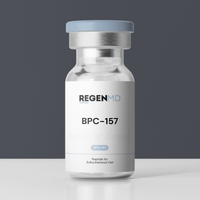
BPC-157 is typically reconstituted using sterile bacteriostatic water for multi-dose stability, or sterile water for injection for single-use preparations
Once symptoms clear, reintroduce 5-amino-1MQ at half the original dose (e.g., 25mg instead of 50mg daily) and titrate upward slowly over 23 weeks to assess tolerance
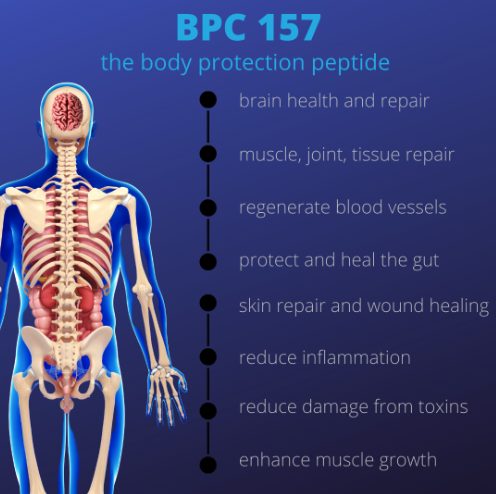
(904) 874-5775 13500 Sutton Park Dr S Suite 504 Jacksonville, FL 32224 (904) 874-5775 BPC 157 is a peptide that is composed of 15 amino acids