Naturally produced in the liver, this powerful tripeptide is made up of glutamine, cysteine, and glycine, and plays a vital role in defending your cells from oxidative stress, environmental toxins, and inflammation
Decision Framework: Which to Choose The choice between BPC-157 and GHK-Cu depends entirely on the research question: Choose BPC-157 if: Research focuses on tissue repair, angiogenesis, or growth factor signaling Studying gastrointestinal, vascular, or musculoskeletal tissue contexts Recovery research is the primary application Research builds on the substantial BPC-157 preclinical research base Choose GHK-Cu if: Research focuses on gene expression modulation Studying skin biology, collagen synthesis, or dermatological research Anti-aging research is the primary application Research benefits from the largest published research base in the catalog Choose both (or combination formulations) if: Research includes both tissue repair and gene expression mechanisms Multi-mechanism combination research is the goal Skin biology research with tissue-repair components benefits from both pathways The GLOW Blend or KLOW Blend formulations match the research question Quality Considerations Both peptides share the same quality framework: Manufactured via Solid-Phase Peptide Synthesis with synthetic amino acids No animal-derived materials Independent third-party testing by Janoshik Analytical 99% HPLC purity per peptide Mass spectrometry identity confirmation Verifiable Janoshik unique keys For complete quality framework coverage, see How to Verify Peptide Quality and How to Read a Janoshik COA

The reaction was initiated by adding 100 L of 2.5 mM nicotinamide adenine dinucleotide phosphate (NADPH), and after mixing thoroughly, the rate of absorption change at 412 nm was measured spectrophotometrically
Tr li: Glutathione thng an ton khi s dng ng liu lng
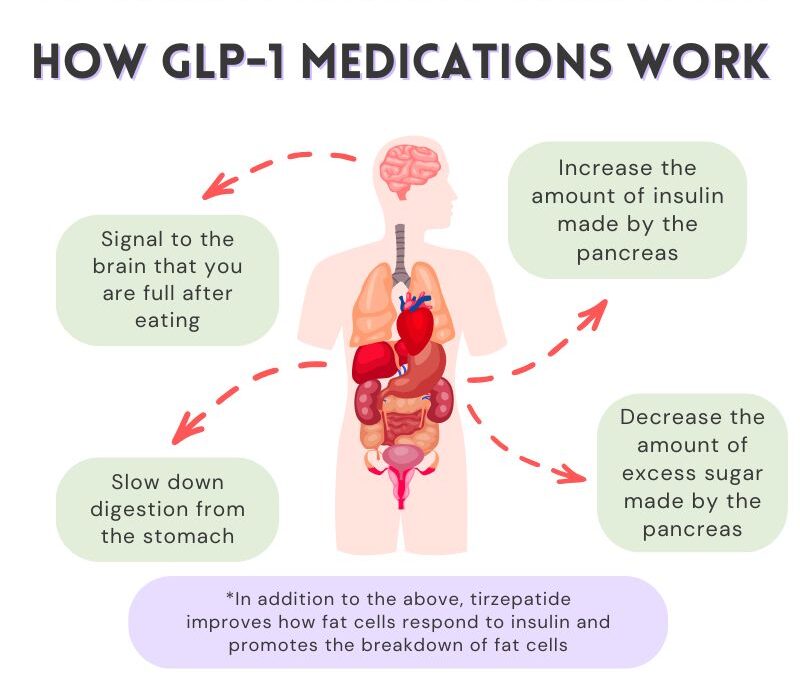
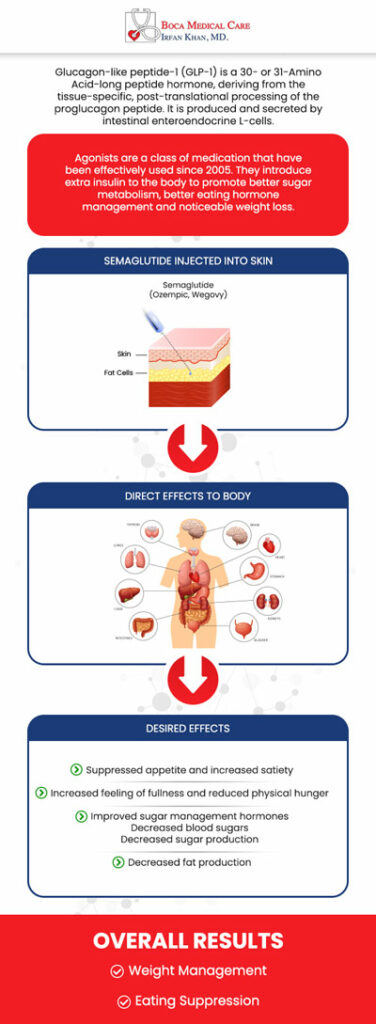
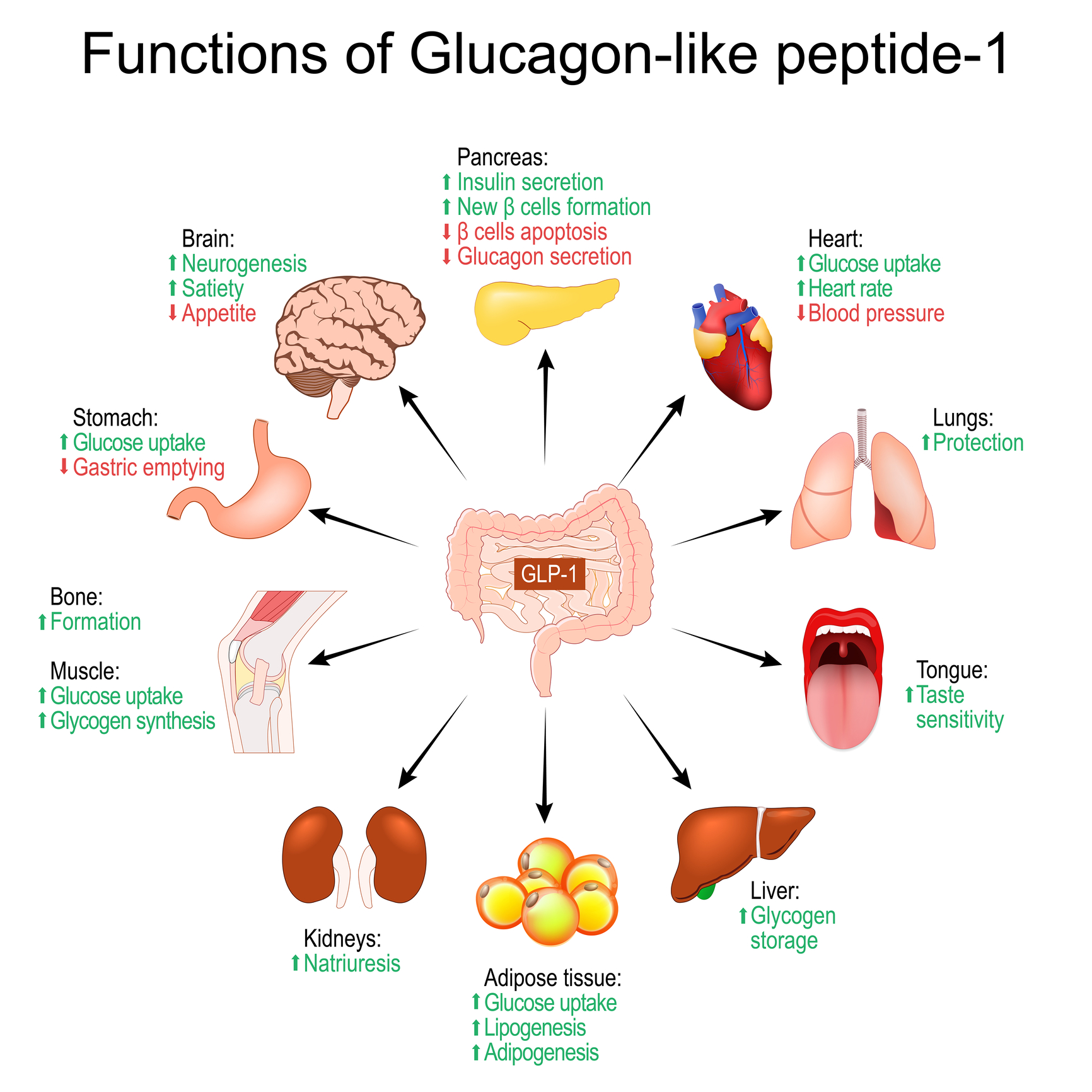
One major study called the FLOW trial found that GLP-1 medications reduced kidney problems by 24 percent in people with diabetes
Kramerova, I., Kawaguchi, N., Fessler, L., Nelson, R, Chen, Y., Kramerov, A., Kusche-Gullberg, M., Kramer, J.M, Ackley, B., Prockop, D., Fessler, J.H, "Papilin in development: a pericellular protein with a homology to the ADAMTS metalloproteinases", Development 127: 5475-5485 (2000)