When you administer it systemically, you activate mechanisms that affect multiple organ systems
Less common reactions include contact dermatitis (a rash or itching that doesnt resolve), persistent redness, or a localized copper reaction
GHK-Cu is commonly researched for its potential interaction with: Collagen-related and extracellular-matrix pathways Skin-integrity and elasticity-related mechanisms Dermal-maintenance and regenerative signaling Hair- and scalp-related research pathways Cellular-repair and physiological-resilience mechanisms Healthy-aging and skin-quality investigations Because of its broad regenerative and collagen-related research profile, GHK-Cu is frequently investigated in skin-integrity, tissue-maintenance, recovery-focused, and regenerative research models
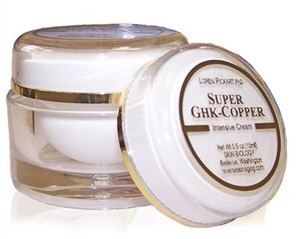
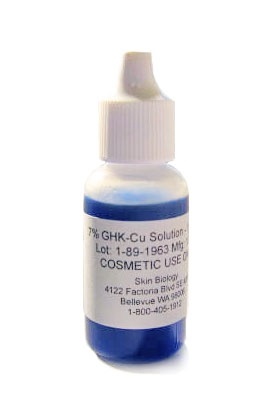
How This Works GHK-Cu is a naturally-occurring copper tripeptide the sequence glycyl-L-histidyl-L-lysine (GHK) bound to a copper(II) ion
Salvianolic acid B suppresses hepatic fibrosis by inhibiting ceramide glucosyltransferase in hepatic stellate cells
One box is a great start, but consistency is everything