Keywords: Glucagon-like peptide-1 receptor agonist (GLP-1RA), adverse event reporting system, hypoglycemia Introduction Glucagon-like peptide-1 (GLP-1) is a gut-derived peptide produced by intestinal cells after ingestion of glucose, exerting glucose-lowering effects by augmenting insulin secretion through activating GLP-1 receptor (1)
However, any application beyond research should be approached with caution
Instead, it works with your body's natural systems through three key mechanisms: Insulin response enhancement: Improves your body's response when blood sugar rises while reducing glucagon production Appetite regulation: Works directly on brain receptors to naturally reduce appetite and cravings Gastric emptying: Slows digestion to help you feel satisfied longer, breaking the cycle of blood sugar spikes The research is worth paying attention to
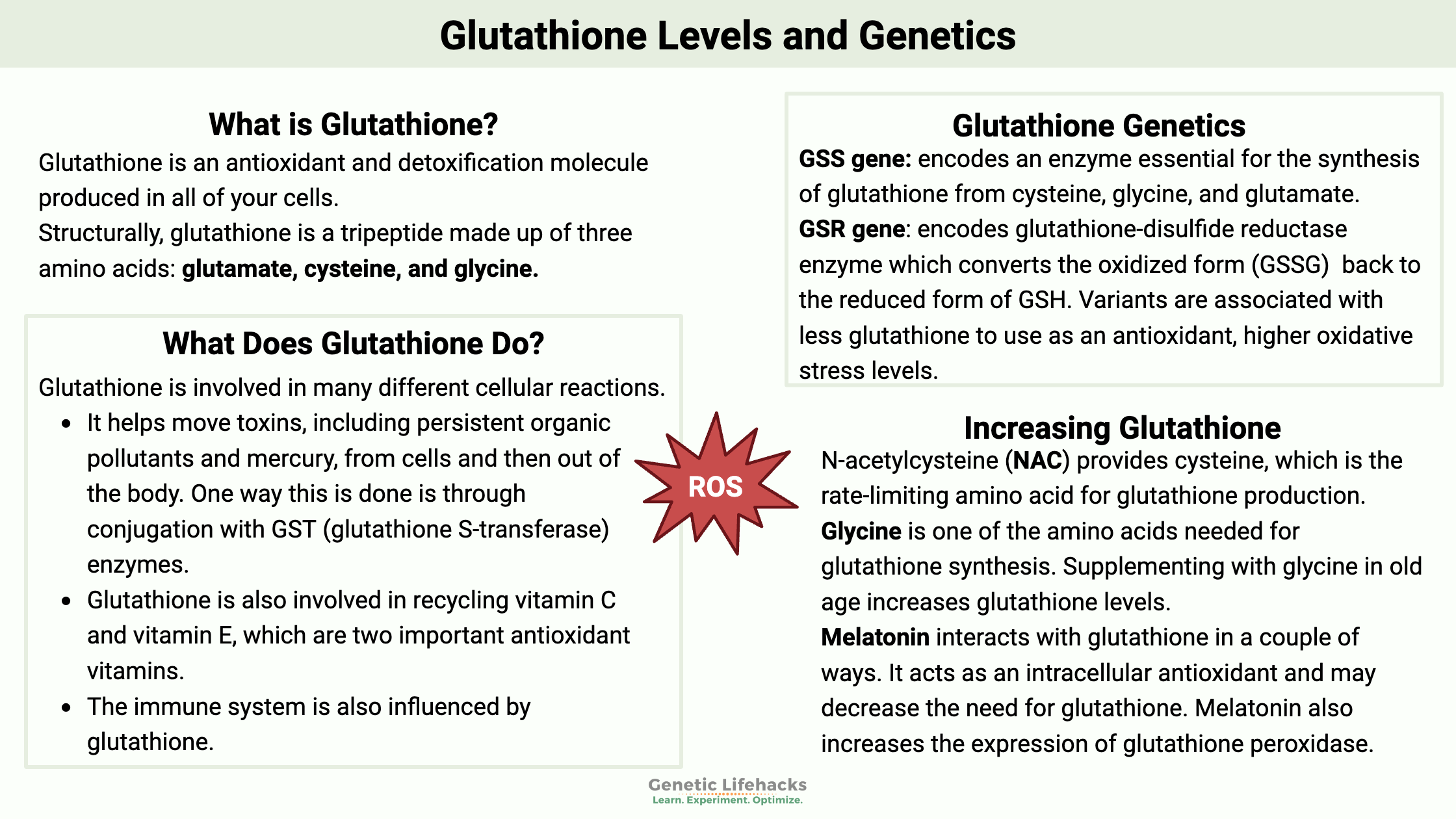
In contrast, no statistically significant difference in glutathione levels was found in the medial frontal cortex, a brain region more directly tied to executive function, emotional processing, and self-referential thinking, highlighting the importance of analyzing glutathiones role in depression on a region-specific basis
Recent studies support the use of vitamin B12 supplements for improving symptoms of depression in people deficient in this vitamin
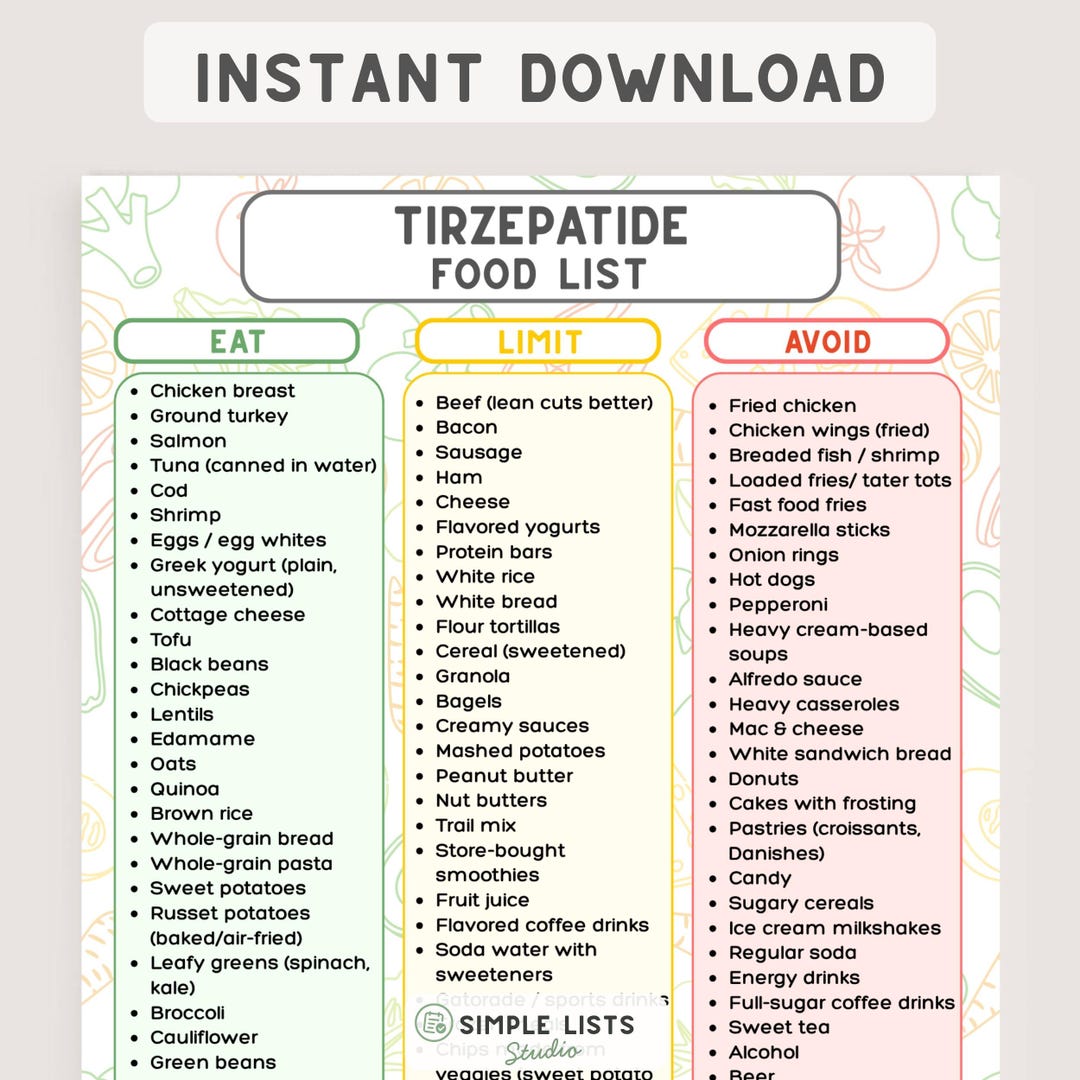
Semaglutide and tirzepatide are suitable for men and women aged 40-50 years old who are looking to lose a substantial amount of weight








:max_bytes(150000):strip_icc()/benefits-of-glutathione-89457_final-01-502464fe91b2444285b0cccf8cb0a33c.png)











![MIKIMOTO Akoya pearl Pearl Necklace K18 Yellow Gold Ladies [Used] PATEK PHILIPPE](https://cdn.shopify.com/s/files/1/0865/8203/4729/files/60312401-1_wm.jpg?v=1758272670)

