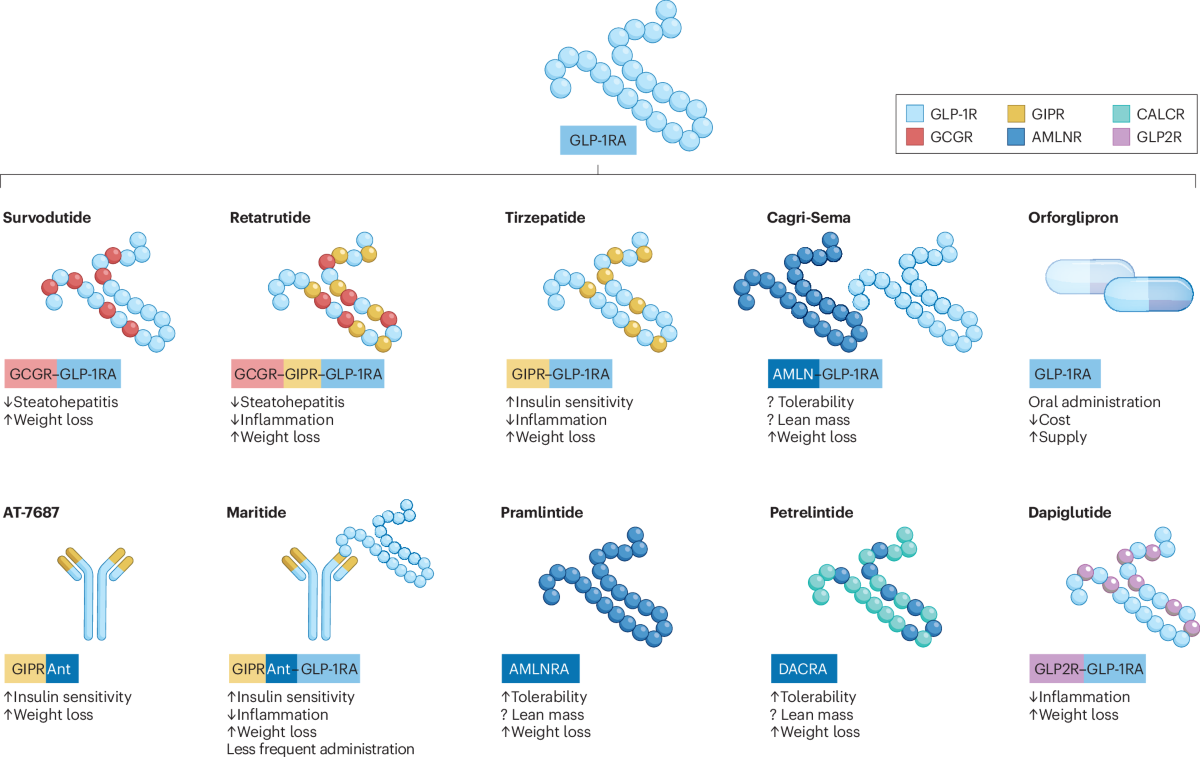
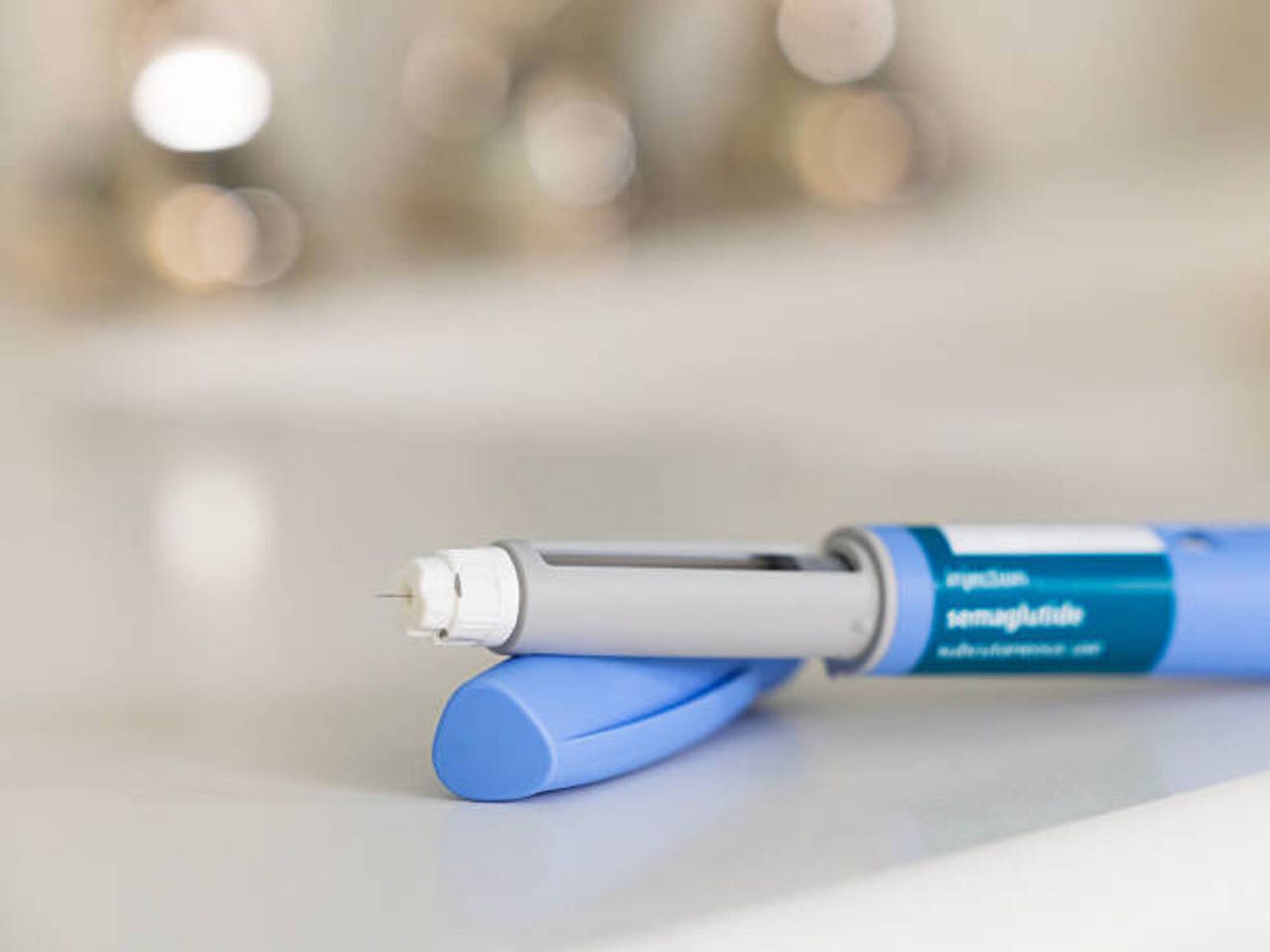
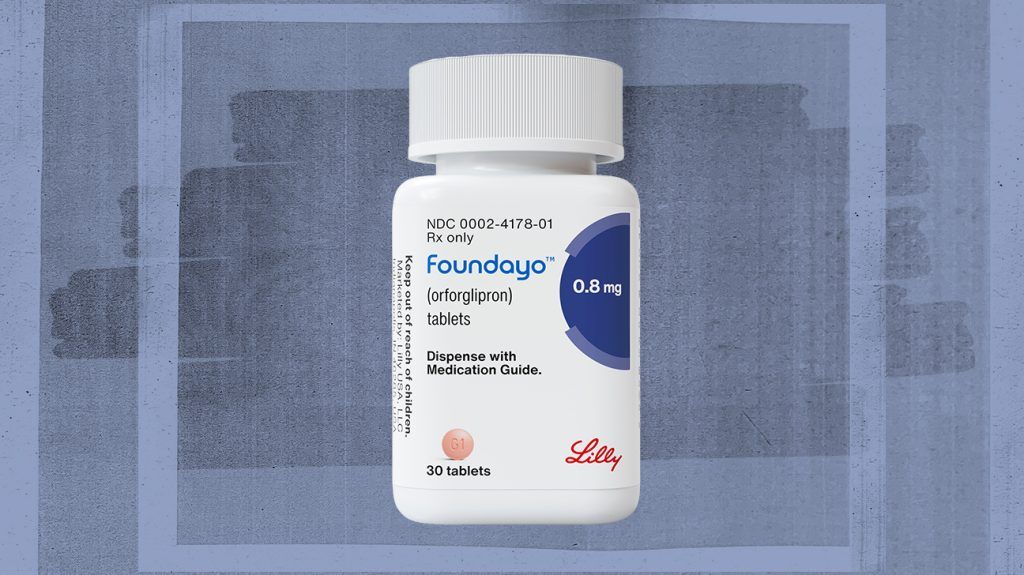
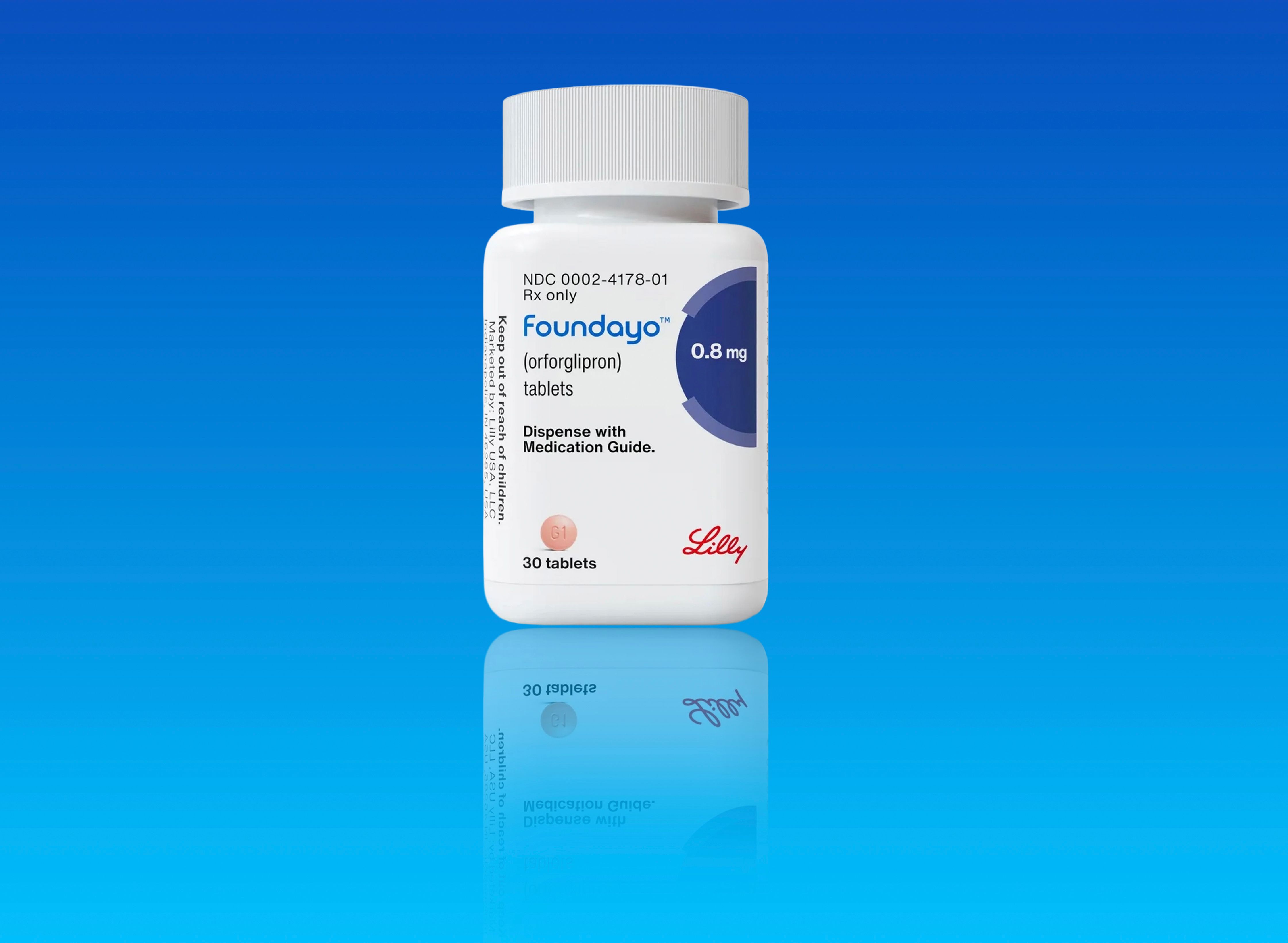
NICE-recommended weight management strategies include: Dietary intervention aiming for a 600 kcal/day deficit through reduced portion sizes, limiting energy-dense foods, and increasing fruit and vegetable consumption Physical activity building up to 150300 minutes of moderate-intensity aerobic activity weekly, plus muscle-strengthening activities on at least two days weekly, in line with UK Chief Medical Officers' guidelines [10] Behavioural approaches including self-monitoring, goal-setting, and addressing emotional eating patterns Commercial weight management programmes such as those meeting NICE quality standards (QS127) Very-low-calorie diets in specific circumstances, under clinical supervision and for limited periods For patients with a BMI 30 kg/m (or 27.5 kg/m in those of South Asian, Chinese, or other Asian family origin) who have not achieved adequate weight loss through lifestyle measures alone, pharmacological interventions may be considered

For GSH-pathway measurements, each colored symbol represents an individual patient (circles = HC, triangles = M/MA, squares = SA) or individual human cell line, which can be followed through multiple figures
3.2 Clinical use of statins in HCC 3.2.1 Monotherapy use of statins in HCC Intriguingly but somehow disappointingly, indications from prospective interventional trials and studies remain inconclusive, although association of statin use with a decreased risk of HCC carcinogenesis and recurrence has been described (Table 2) (Chiu et al., 2011
Anifrolumab blocks the type I interferon receptor, addressing a key driver of lupus pathology
Soriguer, C
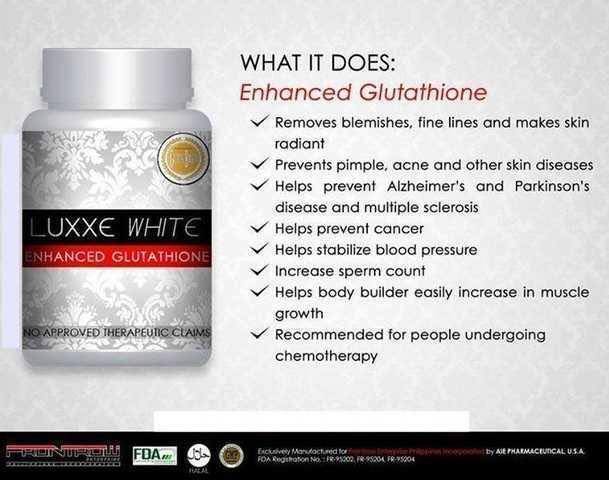
Unlike synthetic alternatives, this patented form offers several distinct advantages: Clinically Studied : Setria has been rigorously tested in human clinical trials, demonstrating its ability to increase blood glutathione levels and support immune function