Johnson, F
miRNA Endogenous non-coding RNAs that have been discovered in eukaryotic organisms can act as gene regulators
Ulcerative colitis: an update on management With the continuing evolution of treatments and therapeutic targets for ulcerative colitis (UC), the outlook for patients with this condition has improved greatly in recent years
00656-2/asset/35b48abc-e313-46be-9a87-b6727032b3d4/main.assets/gr1_lrg.jpg)
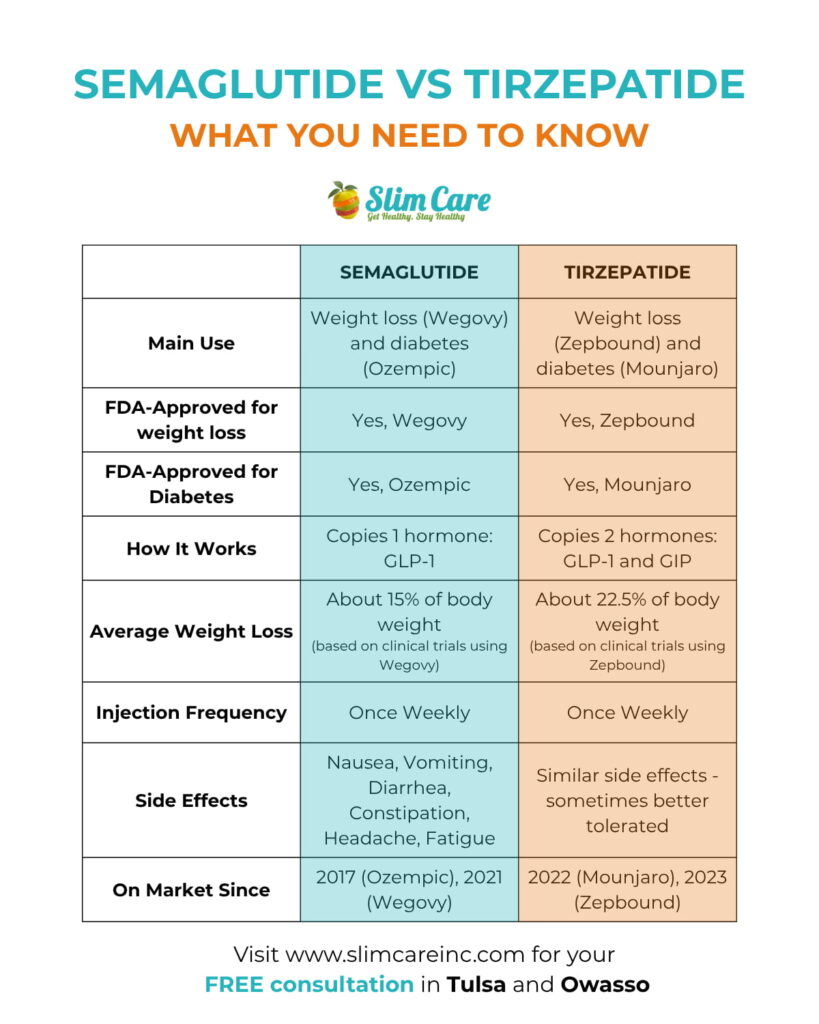
Insulin secretion is stimulated, glucagon and gastric acid secretion are inhibited, and GI transit and motility are decreased by incretin hormones, especially glucagon-like peptide-1 (GLP-1), which is released postprandially from L-cells lining the gut in response to food ingestion ( in vitro and in vivo , GLP-1 has been frequently demonstrated to reduce GI muscle activity via nerve-mediated mechanisms reliant on nitric oxide ( GLP-1 receptors, which are expressed in the central nervous system (CNS) in addition to peripheral tissues, are limited to neurons in the caudal nucleus of the solitary tract (NTS) and the ventrolateral medulla in the brainstem and hypothalamus ( Constipation-predominant IBS was linked to lower mucosal expression of GLP-1 receptors and serum GLP-1 concentrations ( This is the first systematic review and meta-analysis investigating GLP-1 agonists efficacy and safety in IBS patients

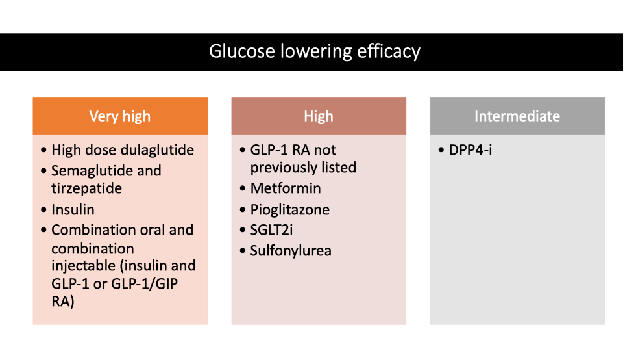
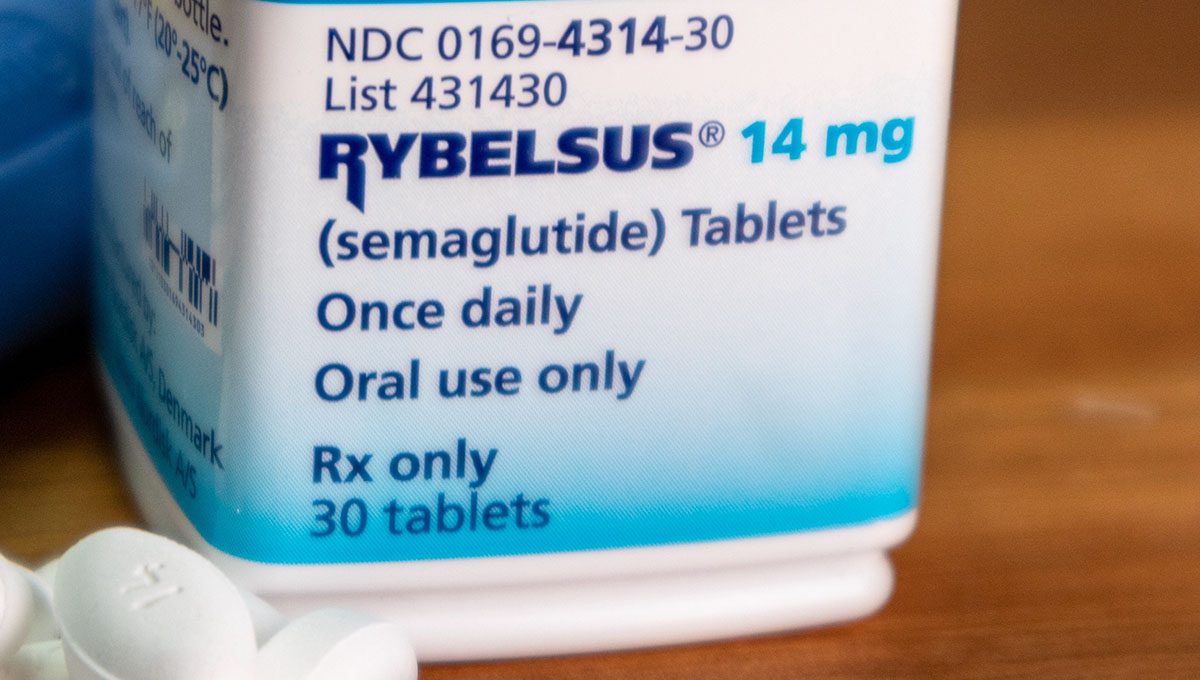
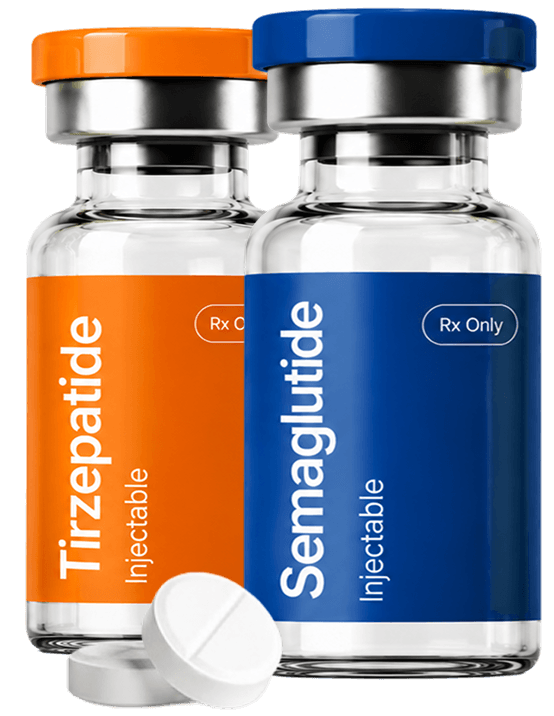
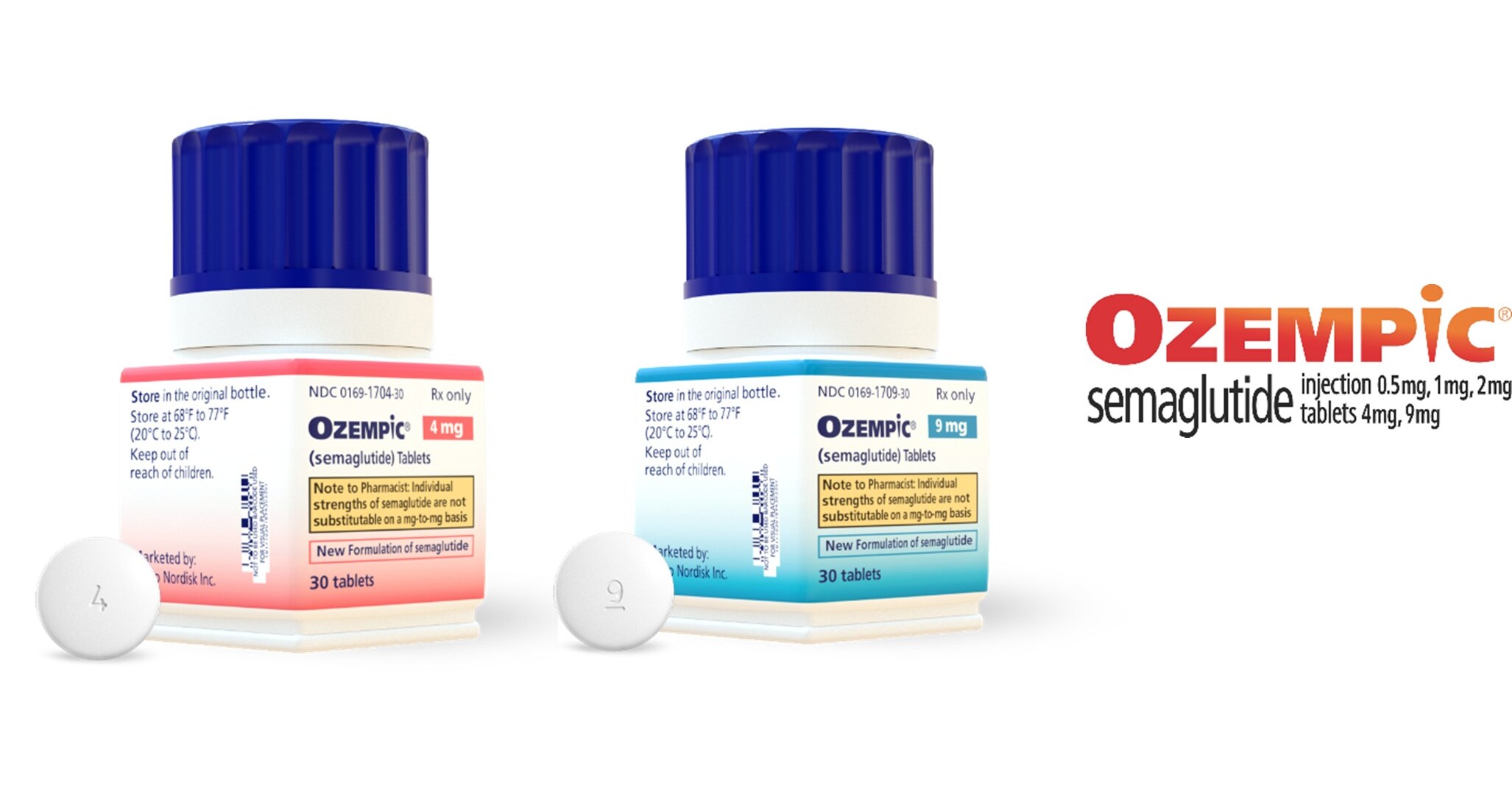
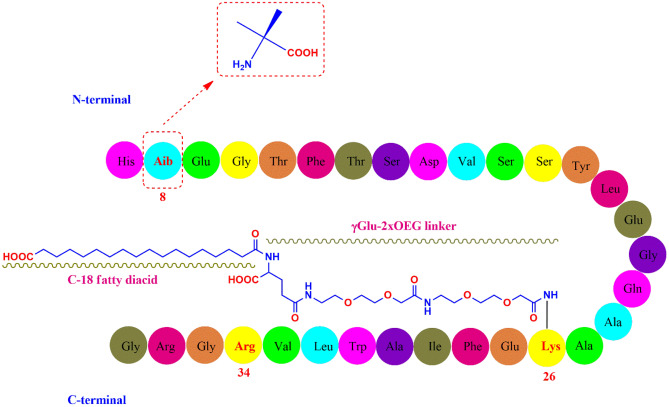
As a treatment for diabetes, semaglutide increases the production of insulin, a hormone produced by the pancreas that helps regulate blood sugar
It signals fibroblasts to lay down new collagen and elastin












:max_bytes(150000):strip_icc()/Health-GettyImages-2153927815-0bf99cd73e2c46908d7fc0973739f6d0.jpg)