Tabata et al., 1999) are illustrative for the pertinence of the poorly resolved problem, illustrative for the diversity of the carriers (i.e., hyaluronate gel carrier (Wang and Aspengberg, 1996), alginate/heparinsacharose microspheres and films (Yu et al., 1998), cellulose gel (Thorn and Aspenberg, 1993), defective form of Pseudomonas exotoxin (Siegall et al., 1994), fibrin adhesive carrier (Walter et al., 1996), biodegredable hydrogen gelatin (Tabata et al., 1999), natural coral, and collagen (Damien et al., 1993))
GLP-1 receptors are found throughout the body, including in the gut, brain, and pancreas
Practical management strategies: Eat smaller meals more frequently rather than large meals Avoid high-fat and greasy foods during dose escalation periods Stay well hydrated throughout the day Time your injection when minor nausea will be least disruptive Consider avoiding foods that commonly trigger nausea (spicy, acidic, very sweet) Decreased appetite versus loss of appetite There is an important distinction between healthy appetite suppression and appetite loss that crosses into problematic territory
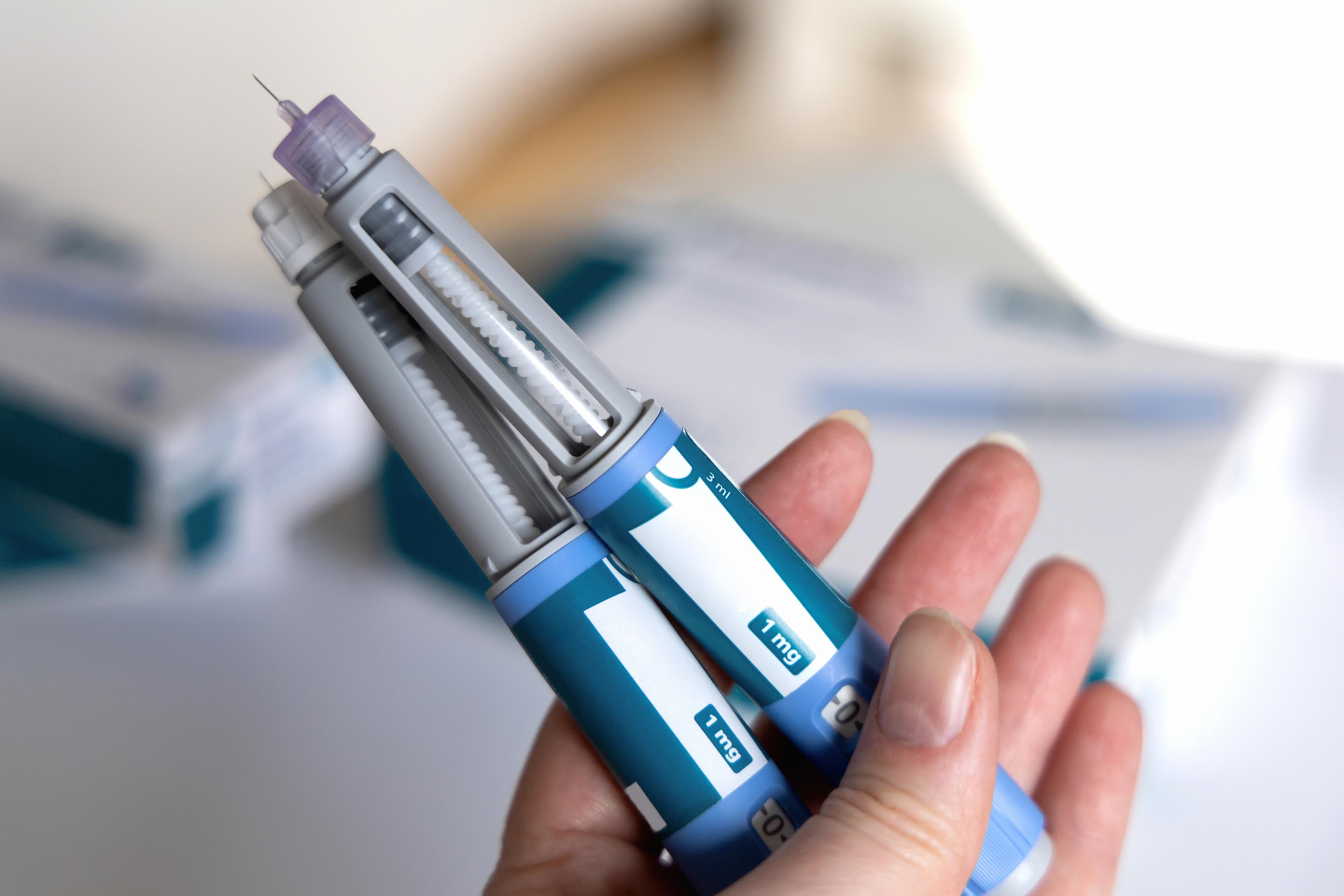
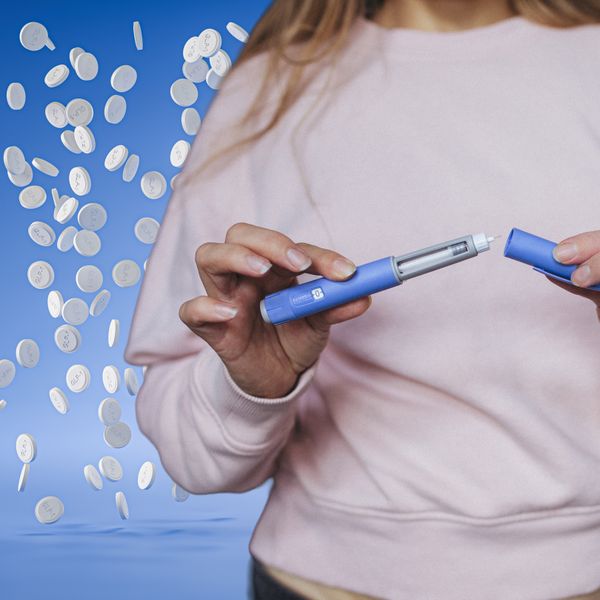
Both injection sites are medically appropriate for subcutaneous GLP-1 therapy, but subtle differences in absorption speed and injection comfort can influence your treatment experience and outcomes over time
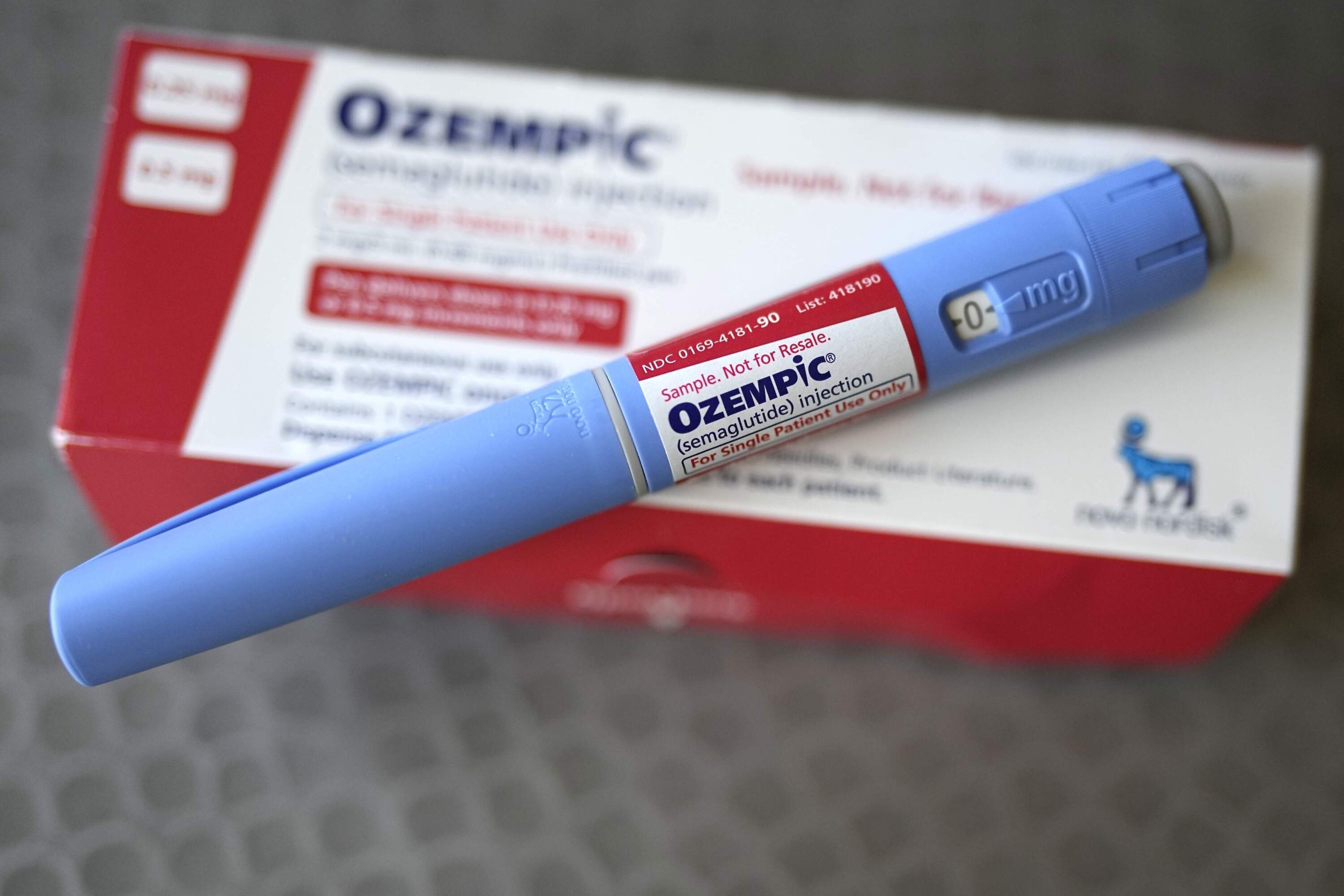
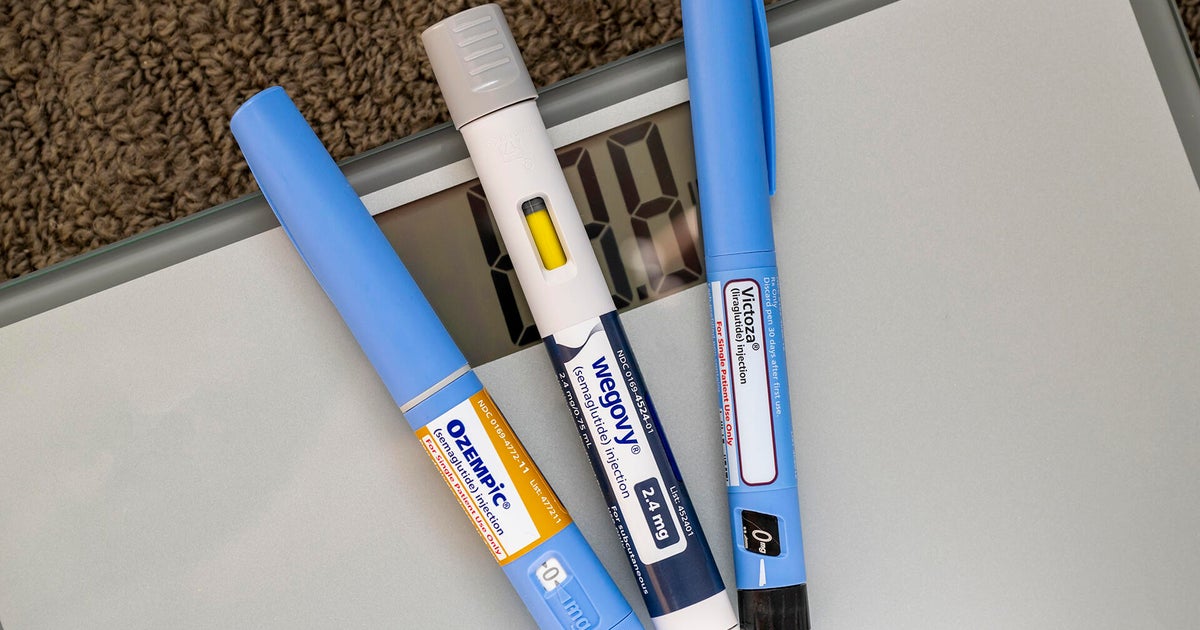
The average weight loss is usually lower than newer weekly GLP-1 options, but it can still be a meaningful choice for eligible patients who need another prescription option
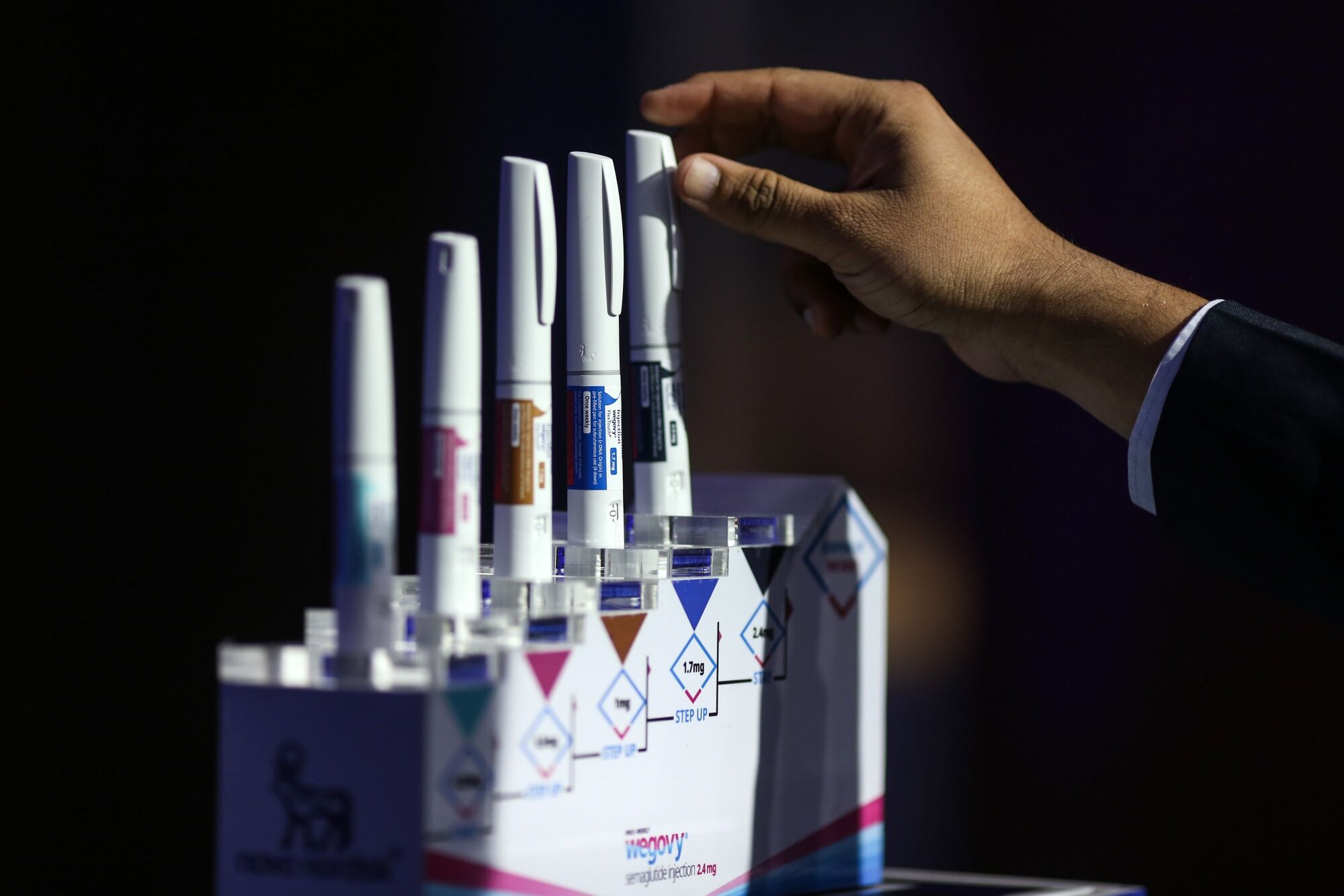
Most medically supervised tapers last 4 to 12 weeks, with doses reduced by 25% every 2 to 4 weeks depending on your current dose and metabolic sensitivity